Valentine Day Wedding Blank Backgrounds: A Designer's Digital Toolkit
There's a particular kind of magic in Valentine's and wedding design—it's all about emotion, romance, and that delicate balance between elegance and warmth. If you've ever found yourself searching for the perfect canvas to bring your heartfelt projects to life, you know how frustrating it can be when backgrounds feel too busy, too generic, or simply don't match your vision. That's where thoughtfully crafted digital backgrounds step in, offering you a clean, beautiful starting point that lets your creativity—and your message—truly shine.
What Makes These Digital Backgrounds Stand Out
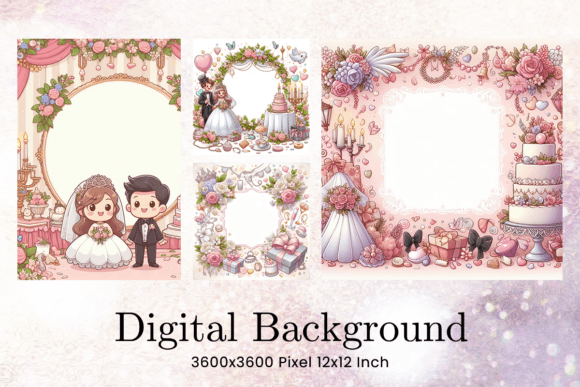
At their core, Valentine Day Wedding Blank Backgrounds are high-resolution digital papers designed with romantic aesthetics in mind. You're getting four JPG files at 300 DPI, each sized at 12" x 12"—a format that's become a standard in the crafting and design world for its versatility. The "blank" in the name is intentional: these aren't cluttered templates with pre-set text or rigid layouts. They're open canvases. Soft color palettes, subtle textures, and romantic motifs create a mood without dictating your design direction.
What makes them visually appealing is restraint. The best romantic design doesn't scream—it whispers. These backgrounds lean into that philosophy with gentle gradients, understated patterns, and tones that evoke love without overwhelming whatever you layer on top. Whether you're designing for a Valentine's Day promotion or a couple's wedding stationery, the aesthetic foundation here works with your vision rather than against it.
Real-World Applications for Designers and Creators
The beauty of a versatile digital paper pack lies in how many different projects it can serve. Let's walk through some practical ways professionals and hobbyists alike are putting these backgrounds to work.
Wedding Invitations and Stationery: This is perhaps the most obvious use, and for good reason. A beautifully textured background instantly elevates an invitation from flat to tactile. Layer your typography, add a monogram or floral illustration, and you've got something that feels custom-designed without starting from scratch.
Social Media Graphics: If you're a content creator, small business owner, or marketer, you know the pressure of producing fresh visual content constantly. These backgrounds work beautifully as Instagram story backdrops, Facebook post templates, or Pinterest pins. The 300 DPI resolution means they look crisp even when cropped and resized for different platforms.
Branding and Logo Design: For businesses in the wedding industry—photographers, planners, florists, bakeries—having a cohesive visual identity matters. These backgrounds can serve as presentation backdrops for mood boards, texture layers in logo mockups, or consistent elements across branded materials.
Packaging and Merchandise: Think beyond the screen. Printed at high resolution, these digital papers become gorgeous wrapping paper for boutique products, tissue paper inserts, or gift bag liners. Small business owners selling candles, jewelry, or handmade goods can use them to create packaging that feels premium and intentional.
Scrapbooking and Craft Projects: The 12" x 12" format is no accident—it's the standard size for scrapbook pages. Print them out, trim to size, and use them as foundational layers for physical scrapbooking, card making, or mixed-media art projects. The quality holds up beautifully on a home printer with decent cardstock.
Website and Blog Design: Bloggers covering lifestyle, relationships, events, or fashion can use these as header images, section dividers, or sidebar accents. They add visual warmth to a layout without the licensing headaches that come with stock photography.
Digital Products and Marketing Assets: If you sell digital downloads—planners, worksheets, wall art—these backgrounds can become part of your product design. They're also useful for creating email headers, webinar slide decks, or promotional flyers that need a romantic touch.
How to Get the Most Out of Your Digital Papers
Having beautiful assets is one thing. Using them effectively is another. Here are some practical considerations to keep in mind as you work with these backgrounds.
Color Calibration Matters: The product listing includes an honest and important note—colors can vary depending on your screen, printer, and materials. If you're designing for print, always run a test print before committing to a large batch. What looks like a soft blush pink on your monitor might shift toward peach or mauve on paper, depending on your ink and substrate. For digital-only projects, preview on multiple devices when possible.
Size Adjustment Is Your Friend: The 12" x 12" format is a starting point, not a limitation. Need a banner for your website? Crop it horizontally. Want a phone wallpaper? Trim it to a vertical ratio. The high resolution gives you plenty of room to resize without losing quality. Just be mindful of your final output dimensions and adjust accordingly.
Layer Thoughtfully: These backgrounds are designed to support your design elements, not compete with them. If you're adding text, consider contrast carefully. A flowing script font might look stunning against a textured background on screen but become illegible in print. Test your typography choices at the actual size they'll appear in your final product.
Think Beyond Valentine's Day: While the name suggests a specific holiday, romantic aesthetics have year-round appeal. Wedding season runs from spring through fall. Anniversary promotions happen every month. Engagement announcements, bridal showers, bachelorette parties—there's no shortage of occasions where these backgrounds fit naturally into your design workflow.
Pairing Typography with Romantic Backgrounds
One of the most common questions designers face when working with textured or patterned backgrounds is font selection. The wrong typeface can clash with the background's personality, while the right one creates a seamless, polished result.
For wedding invitations and formal stationery, consider pairing a elegant serif typeface for body text with a delicate script font for names or headings. The contrast between structured letterforms and flowing calligraphy creates visual hierarchy while maintaining sophistication.
For social media and marketing materials, a clean sans-serif font often works best. It keeps your message readable at small sizes and doesn't compete with the background's texture. If you want to add personality, use a handwritten or script font sparingly—perhaps just for a headline or accent phrase.
The key principle is balance. If your background has subtle texture and soft colors, you can afford more expressive typography. If the background is bold or detailed, keep your type simple and let the contrast do the work.
Licensing and Commercial Use Considerations
Before incorporating any design asset into a commercial project, it's worth understanding the licensing terms. These digital papers are provided as printable PNG and JPG files, and the intent is clear: they're for use in your designs, whether personal or commercial. That said, standard practice with digital design assets means you typically can't resell the files themselves as-is. You can, however, use them as components within larger designs that you sell—think printed invitations, branded materials, or digital templates where the background is just one element of your finished product.
Always review the specific license included with your purchase, and when in doubt, reach out to the seller for clarification. It's a small step that protects both your business and the original creator's work.
Whether you're a seasoned designer building out a wedding stationery line, a small business owner crafting Valentine's Day packaging, or a hobbyist putting together a scrapbook for someone you love, having a reliable set of romantic digital backgrounds in your toolkit saves time, sparks creativity, and ensures your projects carry that unmistakable feeling of warmth and intention. The best designs don't just look good—they make people feel something. And sometimes, all it takes is the right background to set that emotion in motion.