Timeless Elegance: Using Wedding Flowers Watercolor Clip Art in Your Projects
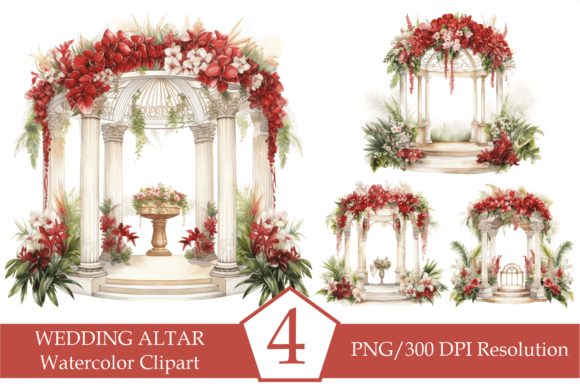
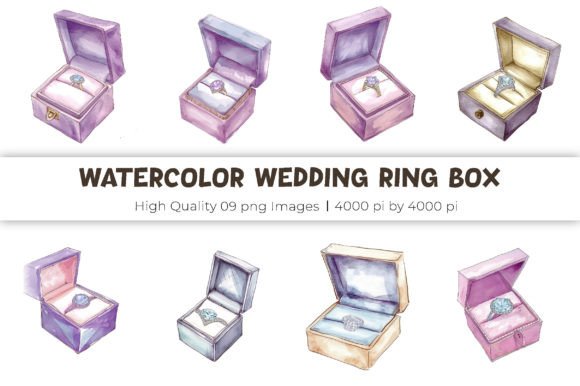
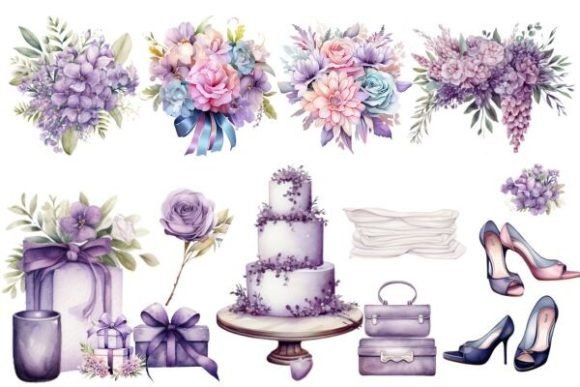
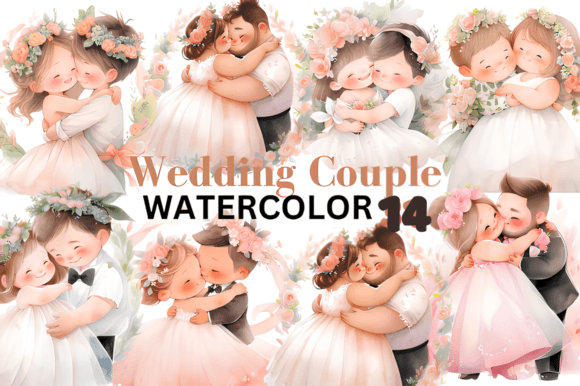
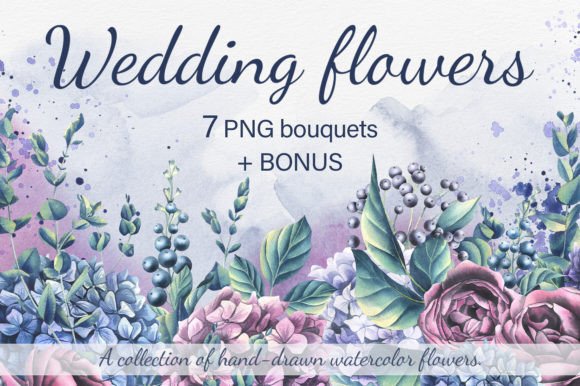
There’s a certain magic to watercolor—the way the pigments bleed and blend, creating soft edges and a sense of organic movement that feels both artistic and authentic. When this aesthetic is applied to classic wedding florals like roses and hydrangeas, it captures a feeling of romance, softness, and timeless elegance. This visual style is more than just pretty; it’s a powerful tool for designers and creators looking to evoke emotion and sophistication in their work. A well-curated collection of these elements, such as a versatile set of wedding flowers watercolor clip art, provides a foundational asset for countless creative endeavors, from personal keepsakes to professional branding.
Beyond the Invitation: Practical Applications for Every Creator
The true value of a high-quality floral clip art collection lies in its versatility. While its association with weddings is immediate, its applications stretch far beyond save-the-dates and ceremony programs. Think of these delicate botanical illustrations as a visual toolkit for adding a layer of refined beauty to almost any surface or screen.
For entrepreneurs and small business owners, these assets are a secret weapon for building a cohesive and memorable brand identity. Imagine a boutique bakery using a subtle floral wreath from the collection on its packaging, or a wedding planner incorporating elegant bouquets into their service brochures and social media headers. The consistent use of a specific floral style helps build brand recognition, making a business instantly identifiable and conveying a specific aesthetic—whether that's rustic, classic, or modern romance.
Graphic designers and content creators will find endless uses in both digital and print realms. The high-resolution, transparent PNG files are perfect for layering into complex designs without worrying about clunky backgrounds. Consider these practical uses:
- Editorial and Web Design: Use floral elements as subtle page borders in a magazine layout, as decorative accents in blog post graphics, or as background elements on a website to soften the digital experience.
- Digital Products and Marketing: Enhance the perceived value of an e-book, online course, or webinar by using floral graphics on the cover, chapter title pages, or promotional social media tiles.
- Physical Merchandise and Packaging: The art translates beautifully onto stationery, gift tags, tote bags, and product labels. A set of thank you cards featuring a delicate bouquet adds a personal, artisanal touch that customers remember.
- Social Media and Branding: Create a suite of consistent Instagram stories, Pinterest pins, or Facebook ads. Using the same floral motifs across platforms ties your visual communication together, making your feed look polished and professional.
Integrating Florals with Typography for Maximum Impact
A stunning floral graphic doesn't exist in a vacuum. Its effectiveness is often amplified by the typography it accompanies. The goal is to create a harmonious dialogue between the image and the text, where each element supports the other to convey a clear message and mood.
When pairing fonts with watercolor florals, contrast and balance are key. The soft, organic nature of the flowers often pairs beautifully with clean, simple sans-serif fonts for a modern look. Think of a sleek, sans-serif typeface like Montserrat or Lato used for body text, which allows the intricate floral details to be the star without visual competition. For a more classic or romantic feel, a elegant serif font such as Playfair Display or Lora can create a sense of timeless sophistication.
Script or handwritten fonts can also be a wonderful match, but they require careful consideration. A highly decorative script might clash with detailed florals, creating a cluttered look. Instead, opt for a simpler, more legible script font for short headings or accents—like a couple's names on an invitation or a "Thank You" on a card. Always test your pairings by placing the text directly on or near the floral element. Ask yourself: Is the text still easy to read? Does the overall composition feel balanced, or is one element overwhelming the other? The included decorative berries, eucalyptus branches, and paper tags in a clip art set offer perfect, smaller-scale opportunities to integrate text, such as placing a name on a tag or a date within a wreath.
Choosing and Using Your Design Assets Wisely
Investing in a premium set of design assets is just the first step. Using them effectively requires a bit of strategic thinking. Before you even place your first element, define the goal of your project. Is it to feel whimsical and personal, or elegant and corporate? This will guide your selection from the collection. A dense, colorful bouquet might be perfect for a wedding invitation suite but could be too busy for a minimalist logo. In that case, a single rose or a subtle spray of eucalyptus might be the better choice.
Pay close attention to the technical specifications of your assets. A 300 DPI resolution on a transparent background is essential for professional print work, ensuring your designs are crisp and versatile. However, always remember the note about color variation: what you see on your screen may differ slightly when printed. For critical projects, ordering a small test print is a wise practice to ensure the final product matches your vision.
Finally, understand the licensing of your creative assets. If you're using the clip art for a client project or for merchandise you intend to sell, you need to ensure you have the appropriate commercial license. This protects both you and the original artist. A well-curated collection, often part of a larger themed set, provides not just individual elements but a cohesive visual language. By exploring the full range—perhaps including frames, seamless patterns, and isolated elements—you can build a truly comprehensive and professional design toolkit that elevates every project you undertake, from the smallest tag to the largest wall art.