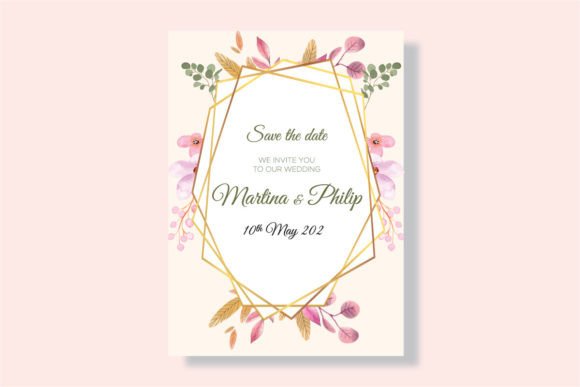
Realistic House Plant Wedding Cards: A Botanical Design Guide
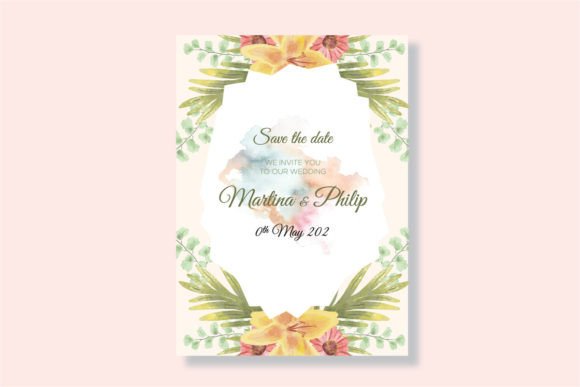
Imagine holding a wedding invitation that feels less like a piece of paper and more like a living, breathing garden. The delicate fronds of a fern seem to curl off the page, the soft petals of a peony appear so real you can almost smell them, and the vibrant greens create a sense of fresh, natural elegance. This is the magic of Realistic House Plant Wedding Cards, a design trend that taps into our collective yearning for nature, tranquility, and organic beauty in our most cherished celebrations. More than just a pretty picture, this style offers a versatile foundation for a cohesive and deeply personal wedding brand, from the save-the-dates to the thank-you notes.
Beyond the Bouquet: Crafting a Botanical Visual Language
The appeal of realistic botanical illustration lies in its ability to straddle two worlds: the timeless and the contemporary. A hyper-realistic rendering of a monstera leaf or a delicate succulent carries the weight of classic botanical art, evoking heritage and sophistication. Yet, when placed in a modern layout with clean typography, it feels fresh, relevant, and incredibly photogenic. This duality makes it a perfect match for weddings that aim for a style that is both grounded and stylish—think a minimalist industrial loft adorned with lush greenery, or a rustic barn celebration with elegant, garden-inspired details.
The true power of this approach, however, is unlocked when you move beyond a single card. By establishing a core set of botanical elements—a specific palm, a trailing pothos, a cluster of eucalyptus—you create a visual language. This language can then be spoken fluently across every touchpoint. The same fern that graces the invitation can become a subtle watercolor wash on the menu, a laser-cut detail on the place cards, and a pattern on the dance floor. This creates an immersive experience for guests, where every detail feels intentionally connected and thoughtfully curated. It’s about building a brand for your wedding day, one that feels authentically you.
From Digital File to Tangible Elegance: Practical Applications
A high-quality digital asset, such as an Orange, Pink, and Purple Floral Watercolor Painting PNG, is the starting point for this creative journey. The specifications—300 DPI, High quality, PNG format on a Black Background PNG—are not just technical details; they are promises of versatility. A high-resolution, transparent-background file allows you to layer, resize, and manipulate the artwork without losing quality, making it a true workhorse for your design projects.
Consider these practical applications for your wedding suite and beyond:
- Invitation Suites: Use the floral painting as a full-bleed background for dramatic impact, or isolate individual blooms to create delicate corner accents. The Colorful Design of pinks and purples against a dark background offers a romantic, moody alternative to traditional pastels.
- Day-Of Stationery: Carry the theme through with matching programs, menus, and table numbers. A subtle watercolor wash or a single flower motif can tie everything together beautifully.
- Digital Extensions: Create a cohesive look online with matching wedding website banners, social media announcement graphics, and digital RSVP confirmations. Consistency here reinforces your wedding's identity before guests even arrive.
- Memorable Keepsakes: Transform the artwork into custom guest book prints, framed table charts, or even fabric patterns for napkins or a dance floor backdrop. The possibilities for Printable Designs and Wall Art are endless.
For the entrepreneur or small business owner, the applications expand even further. These HD Images are not just for weddings. They are premium Design Assets that can elevate a wide range of commercial projects. A boutique florist could use them for stunning shop banners and business cards. A lifestyle blogger could create beautiful, cohesive Social Media Graphics. A stationery brand could develop a whole line of notebooks and planners. The key is to see the asset not as a single image, but as a seed from which a multitude of creative projects can grow.
Harmonizing Elements: Pairing Florals with Typography
A stunning floral background demands equally thoughtful typography. The goal is harmony, not competition. When working with a detailed and colorful botanical like the watercolor painting described, the text needs to be clear and complementary. This is where understanding font pairing becomes crucial.
For a classic, elegant feel, pair the florals with a refined serif font for headings (like a sophisticated Didot or a transitional Baskerville) and a clean, readable sans serif font for body text. This combination offers structure and legibility against the organic fluidity of the painting. For a more romantic, personal touch, a flowing script font can be used for names or key phrases, but it should be used sparingly and sized appropriately to maintain Readability.
Always test your font choices directly on the background. Place sample text over the busiest part of the floral design to ensure there is sufficient contrast. Sometimes, adding a very subtle, semi-transparent white or cream box behind text blocks can dramatically improve Readability without detracting from the artwork's beauty. The goal of Modern Typography in this context is to serve as the clear voice that delivers the message, while the floral art sets the emotional tone. This careful balance is what separates a good design from a great one, ensuring your Brand Identity is both beautiful and functional.