Enchanting Flower Girl Clipart for Wedding Stationery
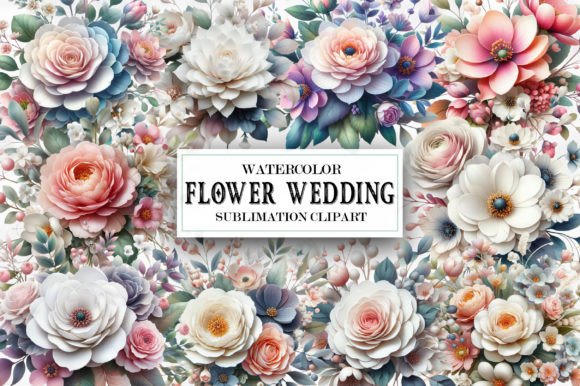
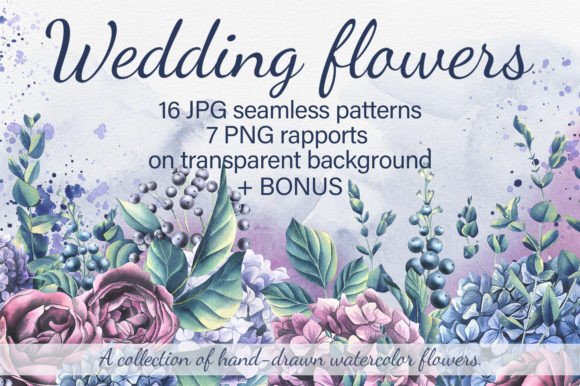
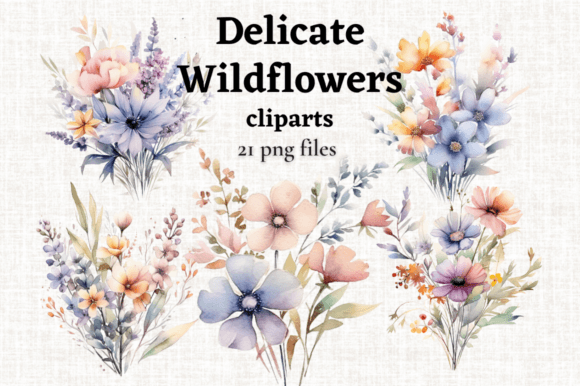
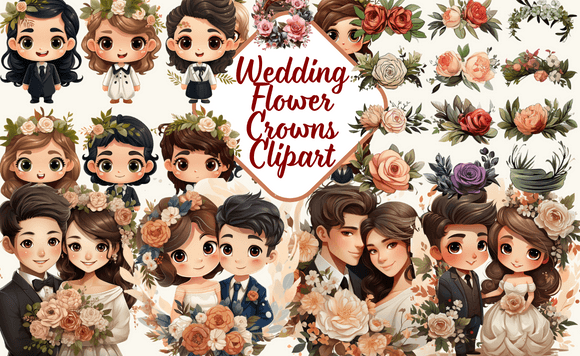
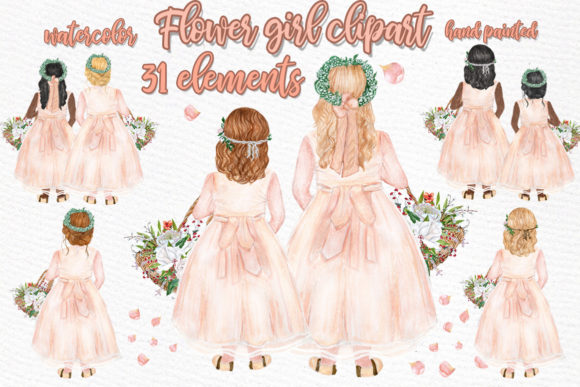
There's a moment in every wedding project where the design needs to feel soft, personal, and undeniably romantic. You've chosen the paper stock, the font for the main text, and the color palette—but something is missing. It needs that final, delicate touch that tells a story. This is precisely where a collection of high-quality, hand-painted watercolor flower girl clipart becomes not just an asset, but the heart of the design. Imagine illustrations that aren't just generic vector shapes, but original works of art with the gentle bleed of pigment, the subtle texture of paper showing through, and the imperfect beauty that only a real brushstroke can create. This set of 31 PNG files, rendered at 300 dpi and sized at a versatile 8 inches, offers that tangible, artistic quality. It's the difference between a design that feels digitally manufactured and one that feels crafted with intention.
Beyond Wedding Invitations: The Versatility of Watercolor Elements
While the name suggests a primary use, thinking of these assets solely as Flower Girl Clipart Wedding Clipart limits their incredible potential. Yes, they are perfect for wedding invitations, save-the-dates, and ceremony programs. The ethereal quality of watercolor painting brings a dreamlike, celebratory mood that aligns perfectly with matrimonial themes. But let's step outside the wedding suite. For a small business owner creating a spring collection for their boutique, these illustrations can become the foundation of the entire brand identity. Picture them on hang tags, tissue paper, thank-you cards, and even the website banner. The consistency of using the same hand-painted style across all touchpoints builds a cohesive and memorable visual language.
For content creators and bloggers, these elements are a goldmine. A food blogger could use them to frame recipes for a garden party or a bridal shower menu. A lifestyle influencer could incorporate them into Instagram Stories and Pinterest graphics to promote a series on personal growth or floral arrangements, adding a layer of sophistication and thematic consistency. The high-resolution format means they look stunning both on screen and in print, ensuring your digital presence is as polished as your physical products. This kind of visual consistency is key to building audience recognition and trust.
Integrating Artistic Assets into Professional Design Work
As a designer or marketer, you understand that the assets you choose directly impact the perception of a project's quality. Using clipart that looks cheap or overly generic can undermine an otherwise strong concept. The value of this particular set lies in its authenticity. Each element is an original work, hand-painted and digitized, which means you're not pulling from the same tired library everyone else uses. This uniqueness is a significant advantage when creating logo design concepts for a florist, a wedding planner, or a spa. The watercolor aesthetic can inform the entire brand's personality—organic, gentle, and bespoke.
Consider the practical applications across various media:
- Packaging Design: Create elegant labels for artisanal goods, candles, or beauty products. The soft texture adds a tactile, premium feel even in a digital mockup.
- Social Media Graphics: Design cohesive Instagram posts, Facebook covers, or LinkedIn banners that stand out in a crowded feed. The artistic quality encourages higher engagement.
- Editorial Layouts & Magazines: Use them as decorative elements in feature articles, chapter headings, or as subtle background textures to add depth and visual interest to print and digital publications.
- Digital Products: Incorporate them into printable planners, journal pages, or digital scrapbooking kits, adding significant perceived value to your downloads.
The key is to use these illustrations as supporting actors, not the entire show. They should complement your typography and layout, not overwhelm it. A single, well-placed floral spray can anchor a design, while a border made from repeating elements can frame content beautifully. Because they come as individual PNGs with transparent backgrounds, they offer incredible flexibility to layer, resize, and combine them in endless configurations.
Making Smart Choices for Cohesive and Effective Designs
So, you have this beautiful set of design assets. How do you ensure you use them effectively to elevate your work rather than clutter it? The first step is to align the clipart's style with your project's goals. The watercolor, hand-painted look is inherently romantic, soft, and artistic. It pairs wonderfully with elegant script fonts or classic serif typefaces for wedding stationery. For a more modern brand that wants to incorporate this aesthetic, you might pair it with a clean sans-serif font to create a compelling contrast between the organic illustration and structured typography.
Think about font pairing as a conversation. The clipart is the artistic, expressive voice. Your primary font should be the clear, readable voice that conveys the essential information. Use the floral elements for accents—like on a initial cap, a divider line, or a corner decoration—while keeping body text highly legible. Always test your layouts at different sizes, especially for web design where screens vary. A complex floral element that looks beautiful on a desktop might become a muddy blob on a mobile phone, so simplicity often wins for digital applications.
Finally, never overlook the practicalities. For any commercial project, from creating merchandise to selling digital templates, you must verify the licensing. This collection is presented for commercial use, which is essential for entrepreneurs and businesses. Understanding what you can and cannot do with the assets protects your business and allows you to confidently create marketing assets, product lines, and client work without legal ambiguity. By thoughtfully integrating these original watercolor elements, you move beyond mere decoration and into the realm of meaningful, brand-building visual storytelling.