Elegant Green Floral Wedding Card Decorations
Imagine your wedding invitation arriving in the mail, not just as a piece of paper, but as a prelude to the entire aesthetic of your day. The first thing your guests notice is the delicate, watercolor brushstroke of a eucalyptus leaf or a soft rose in shades of sage and ivory, accented with the faintest shimmer of gold. This is the power of thoughtful design—it sets a tone, tells a story, and creates an immediate emotional connection. For designers, small business owners, and creative entrepreneurs, capturing this feeling of bespoke elegance is a common goal, whether you're crafting a wedding stationery suite, building a lifestyle brand, or creating social media content that resonates with romance and sophistication.
The Aesthetic of Watercolor and Botanical Simplicity
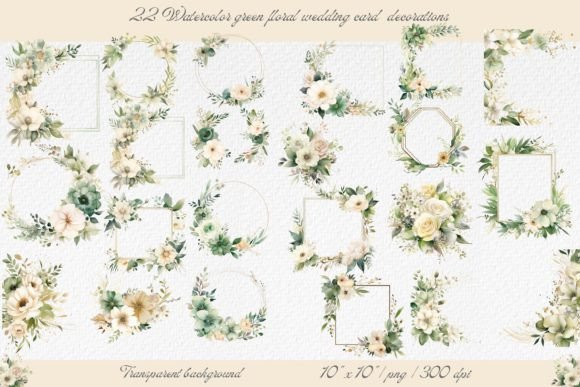
What makes designs like these Wedding Card Green Floral Decorations so compelling is their inherent versatility and timeless appeal. The hand-painted watercolor style avoids the rigid, overly digital look that can sometimes feel cold. Instead, it offers organic texture and subtle color gradients that feel personal and artisanal. The color palette—rooted in calming beige, crisp white, and various greens—speaks to current trends in natural, minimalist, and sustainable aesthetics. The touch of glitter isn't overwhelming; it's a strategic sparkle that catches the light, adding a layer of luxury without sacrificing the design's clean, isolated presentation on a white background. This combination makes these elements incredibly useful as a foundational design asset for a wide range of projects.
Practical Applications Beyond the Wedding Suite
While perfect for wedding invitations and RSVP cards, the true value of a versatile floral decoration pack lies in its adaptability. For graphic designers and branding specialists, these elements can be integrated into logo design for boutique hotels, florists, wedding planners, or high-end wellness brands. They lend an immediate sense of care and premium quality. In packaging design, a subtle floral border or a small, glitter-accented bunch can transform a plain box or bag into a memorable unboxing experience. Social media managers and content creators will find these decorations invaluable for Instagram stories, Facebook banners, and Pinterest graphics, especially when promoting events, product launches, or blog posts related to weddings, lifestyle, or home décor.
Furthermore, these PNG files with transparent backgrounds are ideal for web design and blog layouts. They can be used as decorative separators between sections, as subtle background accents behind text blocks, or as part of a website's hero image to establish a specific mood. For those selling digital products—like planners, calendars, or printable wall art—incorporating these floral elements can significantly increase perceived value and aesthetic appeal. The applications extend to editorial design, where a magazine layout or a lookbook can use these decorations to frame images or highlight pull quotes, creating a cohesive and visually engaging reader experience.
Integrating Decorations with Typography for Maximum Impact
The key to successfully using any decorative element is ensuring it complements, rather than competes with, your typography. When working with delicate floral designs, your font choice becomes critical. For a wedding invitation, a flowing script font or an elegant serif font for the couple's names pairs beautifully with the watercolor style, enhancing the romantic feel. However, for the finer details like the date, time, and location, a clean, highly readable sans serif font is essential for clarity. This principle of font pairing is crucial for maintaining a professional presentation and ensuring your message is both beautiful and legible.
This balance is vital for brand identity work. If you're using these green floral elements as part of a brand's visual system, the chosen typeface must reflect the same personality. A modern, minimalist sans serif might be paired with the florals for a contemporary bridal brand, while a classic serif could be used for a more traditional stationery company. The goal is visual consistency—every element, from the decorative bunch to the letterform, should feel like it belongs to the same family. This consistency builds brand recognition and makes your marketing assets—from business cards to email headers—look intentionally crafted and trustworthy.
Tips for Effective and Cohesive Design Projects
Before you start placing these beautiful decorations into your next project, take a moment to plan. First, consider the scale and placement. A large floral corner might anchor a poster design, while a small, repeated pattern could add texture to a website background. Always test your layouts at different sizes to ensure the details remain impactful. Second, pay close attention to color matching. While the decorations come in a set palette, you may need to adjust the hue or saturation of your text or other graphic elements to ensure harmony. Use a color picker tool to sample colors directly from the floral assets for perfect coordination.
Third, never underestimate the power of white space. Because these designs are isolated on a pure white background, they thrive in layouts that aren't overcrowded. Give them room to breathe. This practice not only highlights their beauty but also improves overall readability. Finally, always review the licensing terms of any design assets you purchase, especially for commercial use. Understanding whether the license covers a single project, multiple clients, or merchandise is fundamental for any professional or entrepreneur. By combining these practical steps with the inherent elegance of watercolor botanicals, you can create designs that are not only stunning but also strategically effective, capturing the enchantment and attention your project deserves.